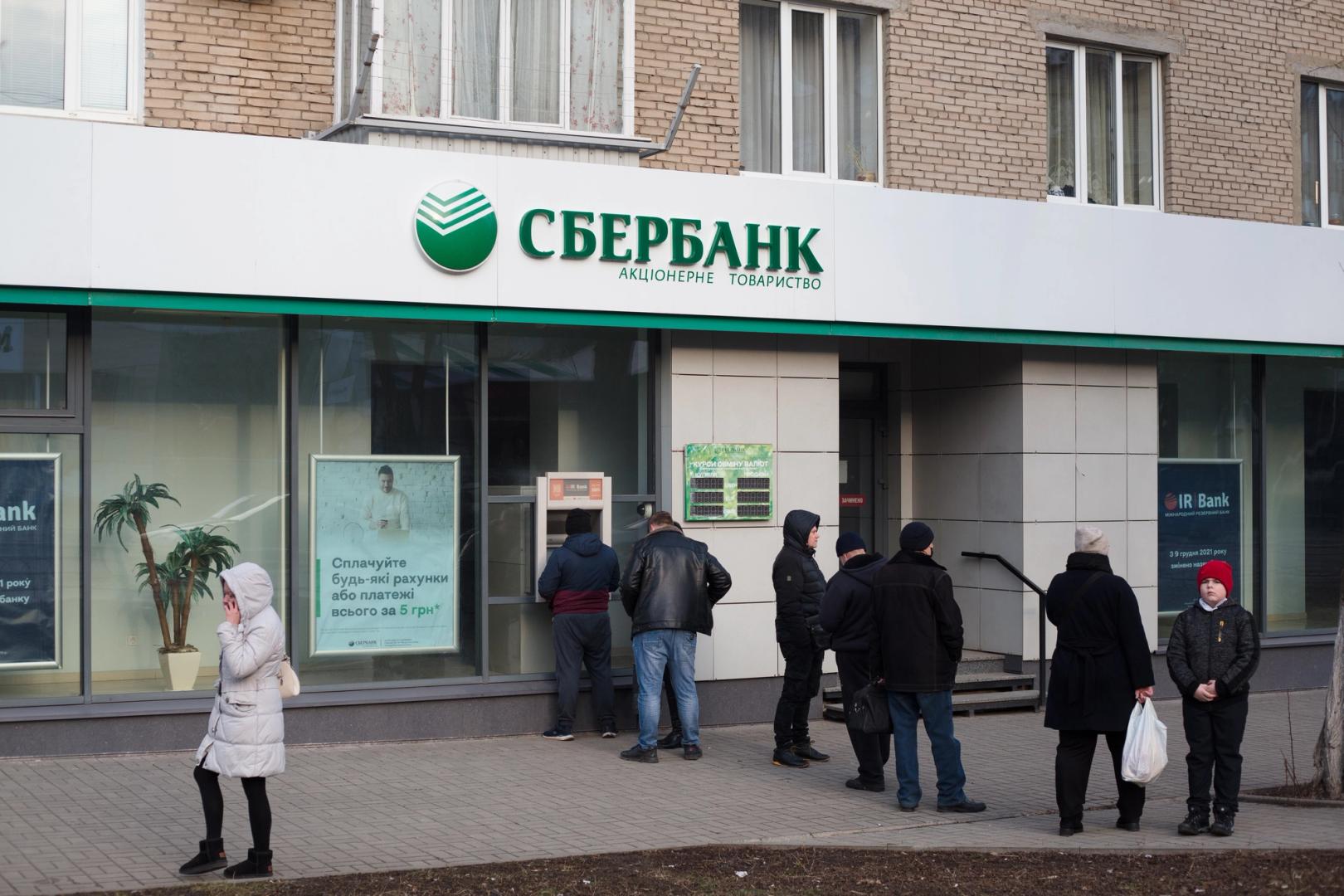
A New Dawn for Russian Crypto: Sberbank's December Deadline
The Russian digital asset market stands on the cusp of a transformative period, largely driven by the impending entry of the nation's largest financial institution, Sberbank. With plans to launch its comprehensive crypto trading infrastructure by December, Sberbank's move signals a profound shift from a largely ambiguous, often adversarial, regulatory environment to one seeking structured integration. This strategic pivot, catalyzed by new regulations effective September 1, promises to legitimize and institutionalize cryptocurrency operations within Russia, redefining the landscape for investors, businesses, and the broader financial sector.
As Senior Crypto Analyst, my assessment is that Sberbank's initiative is not merely an expansion of services but a calculated strategic play aligning with evolving global trends where traditional finance (TradFi) increasingly embraces digital assets. It represents a significant endorsement of crypto's enduring relevance, even from a state-backed behemoth in a nation historically wary of decentralized finance.
Navigating the New Regulatory Currents: A Phased Approach
The timing of Sberbank's announcement is critical, directly coinciding with new regulations governing crypto trading, custody, and settlement in Russia, which came into effect on September 1. These regulations, while establishing a foundational framework, also delineate a phased implementation, with specific requirements for licensed intermediaries not applying until July 2027. This phased approach offers a window for major players like Sberbank to build out their infrastructure, test market reception, and influence future regulatory refinements, all while operating within an evolving, yet increasingly defined, legal perimeter.
The regulatory clarity, even if nascent, is a game-changer. For a bank of Sberbank's stature, operating without clear legal guidelines is an insurmountable risk. The new framework de-risks entry into the digital asset space, providing the necessary legal assurances for compliance, anti-money laundering (AML) protocols, and consumer protection. The interim period until July 2027 allows for robust system development and, crucially, for the establishment of trust and operational precedents that will shape the long-term future of licensed crypto intermediaries in Russia.
Sberbank's Strategic Vision: Beyond Basic Trading
Sberbank's ambition to build a 'crypto trading infrastructure' by December suggests a comprehensive suite of services, extending far beyond simple buy/sell functionalities. We can anticipate offerings that include:
- Crypto Trading: Facilitating the exchange of various cryptocurrencies against fiat (Rubles) and potentially other digital assets.
- Custody Solutions: Providing secure storage for digital assets, a critical service for institutional investors and high-net-worth individuals who prioritize security and regulatory compliance.
- Settlement Services: Enabling efficient and secure transfer of digital assets, integrating with existing banking rails.
This integrated approach positions Sberbank not just as a crypto exchange, but as a holistic digital asset service provider. Their massive existing customer base, technological prowess, and regulatory relationships grant them an unparalleled advantage. Initially, services might target institutional clients and large corporates, who often have greater demand for compliant and secure crypto solutions, before potentially expanding to retail investors, albeit with suitable safeguards.
Implications for the Russian Digital Economy and Global Crypto Landscape
The entry of Russia's largest bank into the crypto space carries significant implications:
- Legitimacy and Trust: Sberbank's involvement lends immense credibility to the crypto sector within Russia, potentially encouraging broader adoption among the populace and traditional businesses.
- Liquidity and Market Depth: A major institutional player will inject substantial liquidity into the Russian crypto market, leading to more efficient pricing and reduced volatility.
- Institutional Capital Inflow: With a regulated, trusted entity facilitating access, institutional capital that has been hesitant to enter the Russian crypto market due to regulatory uncertainty may now find a viable pathway.
- Centralization vs. Innovation: While providing stability, Sberbank's dominance could also lead to a degree of centralization within the Russian crypto ecosystem. The challenge will be to balance regulatory oversight and control with the decentralized, innovative spirit of crypto.
From a broader perspective, Russia's measured yet deliberate embrace of digital assets, particularly through its largest bank, could be seen in the context of global financial shifts and geopolitical realities. The pursuit of alternative financial rails and increased digital economic sovereignty could be underlying drivers, aligning with similar initiatives seen in other nations exploring central bank digital currencies (CBDCs) and digital asset regulations.
Challenges and Opportunities Ahead
While the outlook is largely positive, Sberbank and the Russian crypto market face several challenges. Regulatory clarity, though improving, is still evolving, particularly towards the full licensing requirements of 2027. Technological integration will be complex, demanding robust security measures against cyber threats. Competition, both from existing crypto exchanges (albeit smaller) and potentially other banks, will also intensify.
However, the opportunities are immense. Sberbank can capture a significant share of the nascent but growing Russian digital asset market, integrate crypto services seamlessly into its vast banking network, and potentially play a crucial role in international digital asset settlements, particularly in cross-border trade where traditional financial channels face constraints. This move could also stimulate broader innovation within Russia's fintech sector, fostering a new generation of digital asset-focused businesses.
Conclusion: A Watershed Moment
Sberbank's plan to roll out crypto trading infrastructure by December, against the backdrop of new national regulations, represents a watershed moment for Russia's digital economy. It signals a strategic intent to integrate digital assets into the mainstream financial system, leveraging the bank's scale and trust to drive adoption and compliance. As the largest bank takes this definitive step, the Russian crypto market is poised for an era of unprecedented growth, institutional participation, and regulatory maturation. The world will be watching closely as Sberbank, a financial titan, navigates the exciting yet complex frontiers of decentralized finance within a traditionally centralized economy.