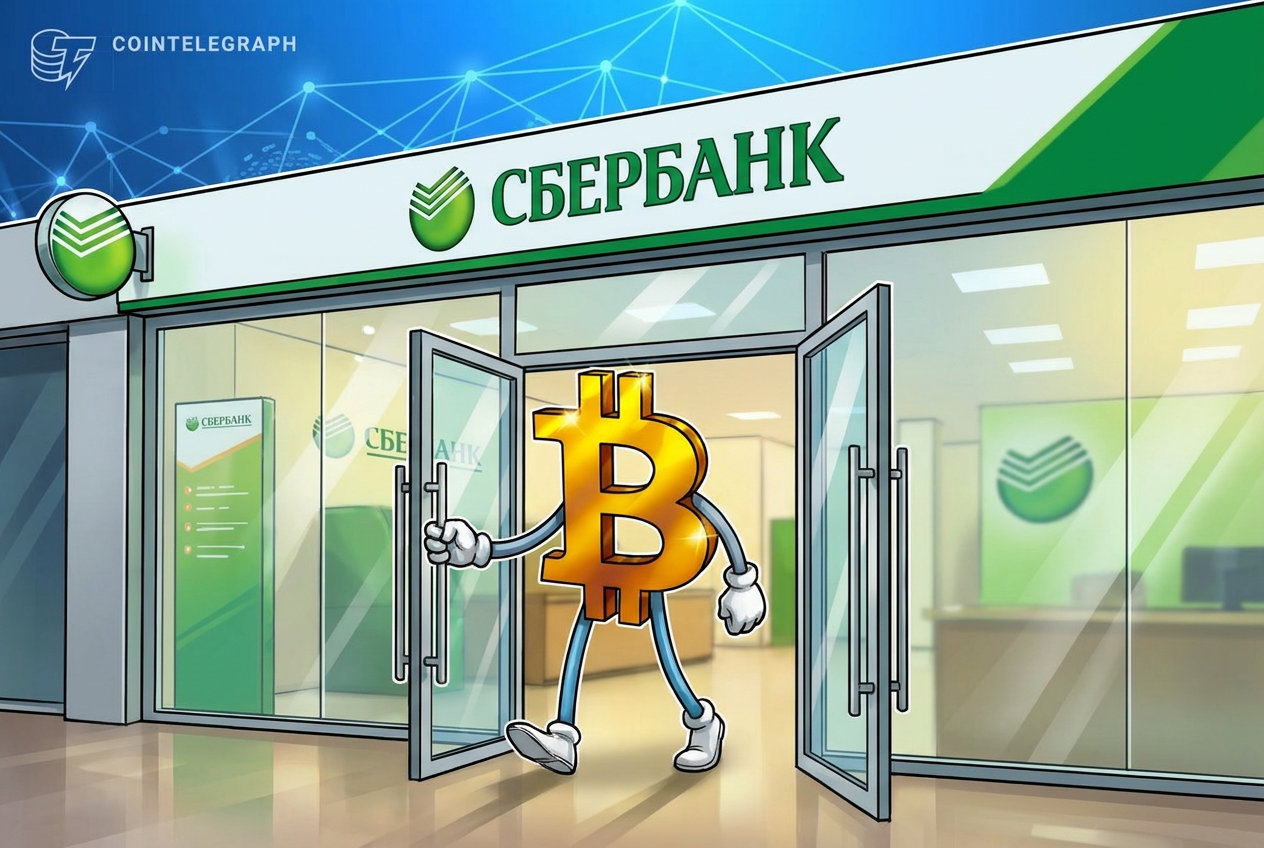
Sberbank's Bold Leap: Russia's Financial Giant Embraces Crypto Trading Infrastructure
Russia's largest financial institution, Sberbank, is poised to launch a comprehensive cryptocurrency trading infrastructure by December 1. This landmark move signals a pivotal shift in Russia's engagement with digital assets, aligning with evolving national regulations designed to integrate crypto into foreign trade operations. This development represents not just a technological upgrade for Sberbank but a profound strategic realignment for Russia, positioning the nation to leverage digital currencies in a new geopolitical and economic landscape. As the world watches Russia navigate the complexities of international finance, Sberbank's venture into crypto trading underscores a decisive pivot towards digital solutions, promising to reshape domestic markets and influence global crypto dynamics.
Russia's Evolving Crypto Landscape: From Caution to Strategic Embrace
Historically, Russia has approached cryptocurrencies with significant caution, oscillating between outright bans and stringent regulations. The Central Bank of Russia famously advocated for a complete prohibition on crypto in 2022, citing financial stability risks and concerns over illicit activities. However, the unprecedented international sanctions imposed following the conflict in Ukraine dramatically altered this stance. Suddenly, digital assets, once viewed as a threat, became a potential lifeline – a means to circumvent traditional financial channels and facilitate international transactions. This geopolitical imperative has rapidly accelerated the legislative process, with the government and central bank now converging on a framework that will allow crypto assets to be used, particularly in cross-border payments, while simultaneously establishing clear rules for market participants. Sberbank’s initiative is a direct response to, and a key enabler of, this policy pivot, aiming to provide a regulated conduit for these evolving financial needs.
Sberbank's Strategic Entry: A Gateway for Institutional Adoption
As the undisputed behemoth of Russian banking, Sberbank’s entry into the crypto trading arena carries immense weight. The bank already possesses a digital assets platform, "Sber blockchain platform," registered with the Bank of Russia in 2022, which currently allows for the issuance of digital financial assets (DFAs) and utility digital rights. The upcoming infrastructure is expected to significantly expand these capabilities, moving beyond tokenized assets to facilitate the trading of actual cryptocurrencies. This is not merely about offering a new product; it's about legitimizing crypto for a vast segment of the Russian population and, crucially, for corporate entities engaged in international trade. Sberbank's robust regulatory compliance framework and established trust will likely attract both institutional and retail investors who have previously been hesitant to venture into unregulated crypto markets. The bank’s move could set a powerful precedent for other major Russian financial institutions, fostering a more mainstream, secure, and regulated crypto ecosystem within the country.
Regulatory Framework: Paving the Path to Integration and Oversight
The success and widespread adoption of Sberbank’s crypto trading infrastructure are intrinsically linked to the clarity and robustness of Russia’s forthcoming regulatory framework. The source context specifically mentions "establishing rules for market participants," which is critical for fostering trust and ensuring stability. These rules will likely address a broad spectrum of issues, including licensing requirements for exchanges and custodians, stringent KYC/AML (Know Your Customer/Anti-Money Laundering) procedures, mechanisms for investor protection, and comprehensive taxation guidelines. The central bank's notable shift from advocating for a ban to actively supporting regulated crypto use, especially for foreign trade, indicates a pragmatic and adaptive approach. By partnering with, or at least operating within the explicit guidelines set by, such a formidable institution as Sberbank, the Russian government aims to exert greater control and oversight over crypto transactions, mitigating risks associated with decentralization while strategically harnessing their economic benefits. This structured approach could prevent capital flight while offering a controlled environment for digital asset innovation and growth.
Geopolitical Imperatives and Economic Opportunities Amidst Sanctions
The timing of Sberbank's announcement is no mere coincidence; it is deeply rooted in Russia’s current geopolitical and economic realities. Russia’s accelerated pivot towards digital assets is largely driven by its concerted efforts to mitigate the profound impact of Western sanctions. By enabling regulated crypto transactions, particularly for foreign trade, Russia aims to significantly reduce its reliance on traditional financial systems dominated by the US dollar and Euro. This strategy aligns with broader de-dollarization efforts and the exploration of alternative payment rails with friendly nations and trading partners. The ability to conduct cross-border transactions using cryptocurrencies can provide Russian businesses with new, resilient avenues for trade, potentially revitalizing sectors and supply chains severely affected by banking restrictions and payment blockades. This move also strategically positions Russia to potentially become a key player in the global crypto economy, particularly in developing new bilateral trade mechanisms with countries that are also exploring alternatives to the SWIFT system.
Challenges, Outlook, and the Future of Russian Crypto
While the prospects for Sberbank's crypto venture and Russia's digital asset ambitions appear significant, numerous challenges persist. Navigating the complex interplay of evolving domestic regulations with existing international financial oversight and potential new sanctions will be crucial. Sberbank, as a state-controlled entity, will need to meticulously manage its crypto operations to avoid further international scrutiny or direct sanctions implications for its global partners. Ensuring the technological security and resilience of the new infrastructure against sophisticated cyber threats will also be paramount in maintaining user trust and operational integrity. Furthermore, the global crypto market is notoriously volatile, and effectively managing customer expectations, risk exposure, and market fluctuations will be an ongoing and demanding task for the bank.
Nevertheless, Sberbank's decision marks a definitive and public embrace of the digital asset future by Russia’s financial establishment. It signals a strategic intent to not only adapt to but actively shape the evolving global financial landscape. If successful, this initiative could pave the way for broader institutional and retail adoption of digital assets within Russia, potentially attract significant capital inflows, and solidify the nation's position as a serious contender in the institutional crypto space. Ultimately, this move contributes to a more diversified, resilient, and technologically advanced Russian economy. The coming months will be critical in observing how this infrastructure unfolds, integrates into Russia's national and international financial operations, and its broader impact on both the domestic and global crypto markets.