The Quantum Imperative: A Looming Threat to Digital Assets
The burgeoning threat of quantum computing casts a long shadow over the cryptographic foundations of our digital world, none more acutely than the multi-trillion dollar cryptocurrency market. Bitcoin, Ethereum, Solana, and countless other digital assets rely on public-key cryptography, predominantly Elliptic Curve Digital Signature Algorithm (ECDSA), which is theoretically vulnerable to attacks from sufficiently powerful quantum computers. Experts warn that once such machines reach maturity, they could compromise the private keys safeguarding billions in digital wealth, leading to a catastrophic loss of funds and trust. The looming challenge has long been how to transition these vast sums to quantum-resistant schemes without causing chaos, mass user error, or significant disruptions. This monumental task typically involves a dreaded "fund migration" – a process where users would need to transfer their holdings from existing, vulnerable addresses to new, quantum-safe ones.
Solving the Migration Dilemma: AmericanFortress's Revolutionary Proposal
In a potential game-changer for the entire cryptocurrency ecosystem, AmericanFortress has unveiled a proposed cryptographic scheme that promises to deliver quantum-safe wallet protection without requiring users to move their existing funds. The innovative approach targets Bitcoin, Ethereum, and Solana wallets, aiming to safeguard them from future quantum attacks while preserving current wallet addresses and user convenience. If successful, this solution could circumvent one of the most significant logistical and psychological hurdles to widespread post-quantum cryptography (PQC) adoption in the digital asset space.
Understanding the Quantum Threat and the Migration Headache
Current cryptographic standards, like ECDSA, rely on the computational difficulty of solving specific mathematical problems (e.g., the discrete logarithm problem). While intractable for classical computers, Shor's algorithm, if run on a large-scale quantum computer, could efficiently break these problems, allowing an attacker to derive a private key from a public key. This capability would enable malicious actors to forge signatures and drain wallets. The traditional solution, known as "fund migration," involves creating new wallet addresses secured by PQC algorithms and then transferring funds. This process, however, is fraught with peril: it risks user error leading to permanent loss, could cause network congestion during mass transfers, introduces security vulnerabilities during the migration window, requires extensive infrastructure compatibility updates, and leads to a loss of continuity for existing, often recognized, addresses.
How AmericanFortress Aims to Achieve "No Migration" Protection
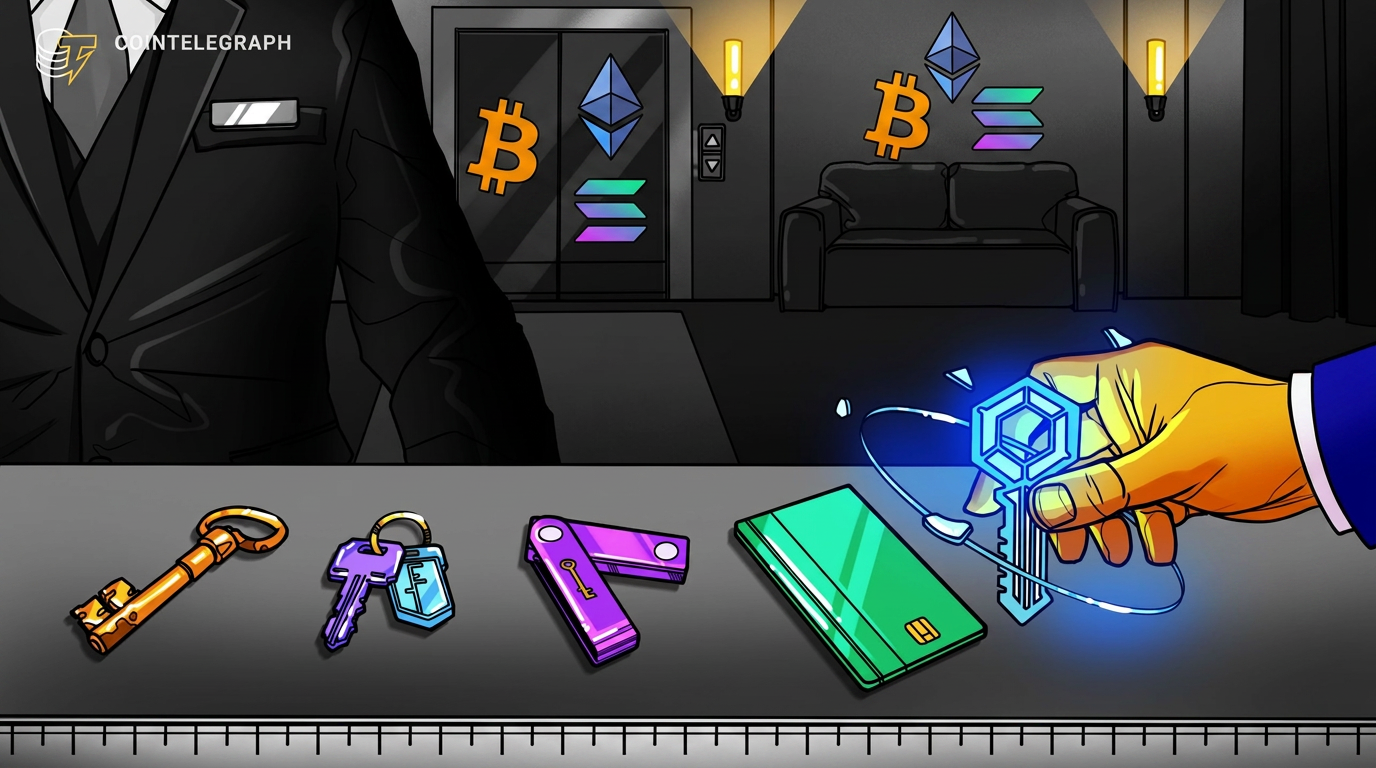
While the specifics of AmericanFortress's scheme remain under wraps pending further technical disclosure, the core concept of protecting existing wallets without fund migration suggests a layered approach. One plausible method involves wrapping or augmenting existing private keys and their associated signing processes with a new, quantum-resistant cryptographic layer. Instead of generating an entirely new key pair and address, the existing private key might be secured by a post-quantum key, or the transaction signing process itself could be modified to include a PQC signature in addition to (or perhaps even replacing) the classical ECDSA signature, without invalidating the original address format. This could involve techniques such as multi-signature schemes where a quantum-resistant key acts as a co-signer, enhancements to key derivation functions using PQC, or protocol upgrades (soft forks) introducing new transaction types compatible with existing addresses while incorporating PQC. The critical innovation lies in enabling users to continue managing their assets from their existing public addresses, effectively upgrading the "lock" on their digital vault without needing to change the "vault" itself.
Far-Reaching Benefits and Industry Implications
The implications of a successful "no migration" quantum-safe solution are profound. Firstly, it drastically reduces the friction and risk associated with the quantum transition for billions of dollars worth of crypto assets. Users would face a simpler upgrade process, akin to a software update rather than a financial maneuver. This would enhance user confidence, reduce the likelihood of costly errors, and ensure greater continuity for addresses tied to various services or identities. Secondly, it streamlines the adoption pathway for institutions, exchanges, and custodians, allowing them to integrate PQC without undertaking massive, risky fund transfers on behalf of their clients. This could significantly accelerate the industry-wide shift towards quantum resilience, mitigating a systemic risk that threatens the long-term viability of current blockchain architectures.
Challenges, Scrutiny, and the Path Forward
While AmericanFortress's proposal is incredibly promising, significant challenges and rigorous scrutiny lie ahead. The security model of such a scheme must be impeccable. Experts will need to dissect how the existing, quantum-vulnerable private key is truly protected if it remains fundamentally unchanged. Does it rely on a robust multi-signature setup that guarantees a PQC signature is always required? Does it introduce new points of failure or trust? Furthermore, the chosen post-quantum algorithms must be meticulously vetted, ideally aligning with standards set by bodies like NIST. Performance implications, such as increased transaction sizes or verification times, will also need careful consideration. Integration across diverse blockchain protocols (Bitcoin's UTXO model vs. Ethereum/Solana's account model) presents its own set of technical hurdles. Successful implementation will require extensive auditing, peer review, and a clear, transparent roadmap for adoption.
Conclusion: A Glimmer of Hope for Quantum Resilience
AmericanFortress's proposal represents a significant glimmer of hope in the race against quantum adversaries. By tackling the formidable "fund migration" problem head-on, they offer a vision where existing digital assets can seamlessly transition to a quantum-safe future. While the devil will undoubtedly be in the technical details, the concept of protecting current wallets without requiring users to move their funds could be the catalyst needed to bring widespread post-quantum security to the cryptocurrency world. The industry will be watching closely as AmericanFortress unveils more specifics, hopeful that this innovation could indeed be the key to safeguarding our digital economic future from the quantum threat.