Bitcoin's Resurgent Rally: A Confluence of Catalysts
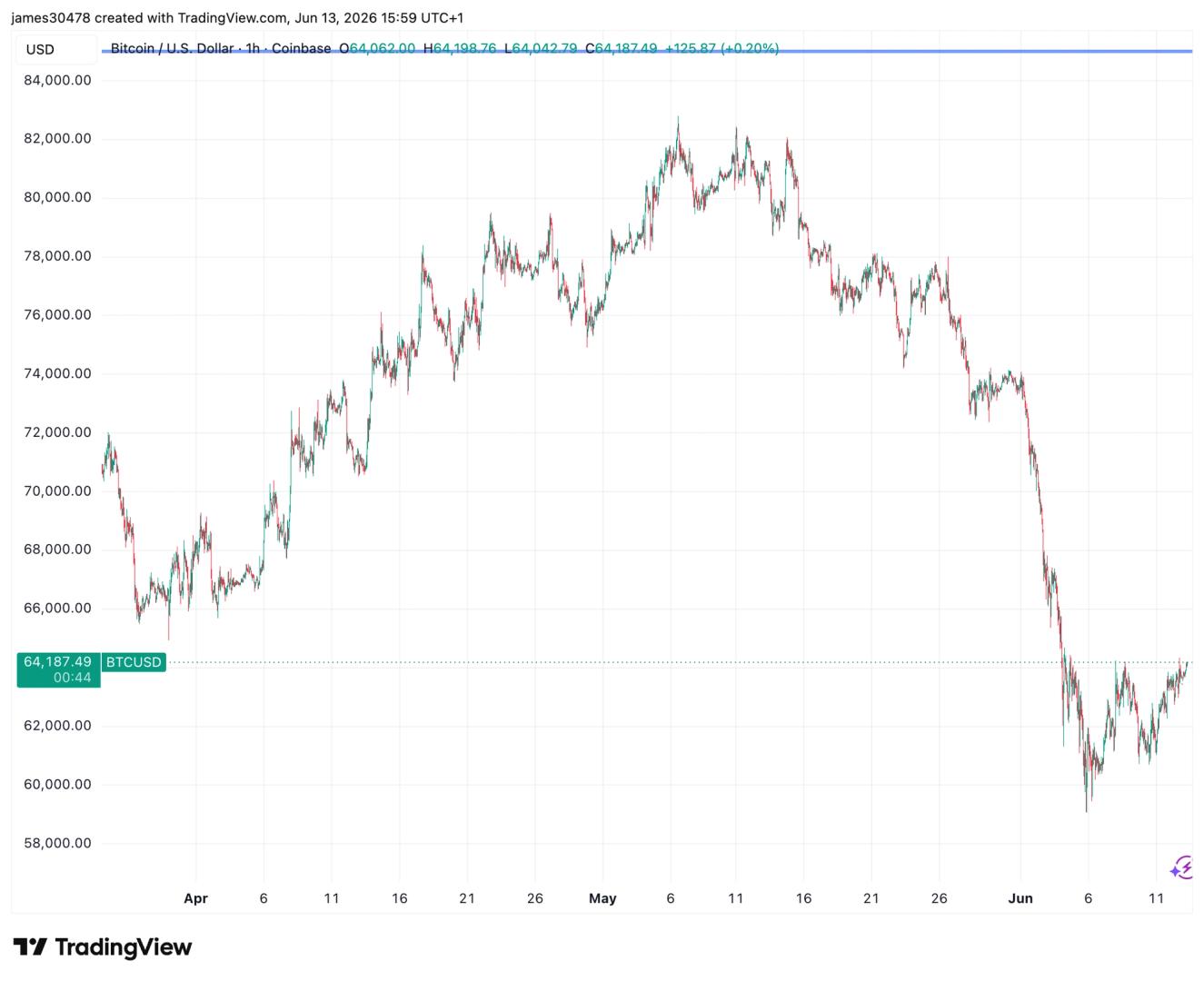
Bitcoin, the world's leading cryptocurrency, has once again captured the market's attention, surging past the $64,000 mark. This significant upward movement, witnessed on Saturday, is not merely a fleeting fluctuation but rather the manifestation of a powerful confluence of factors: robust institutional demand channeled through exchange-traded funds (ETFs) and growing optimism surrounding critical geopolitical developments. This dual-pronged catalyst underscores Bitcoin's evolving maturity, demonstrating its increasing sensitivity to both traditional financial flows and global macroeconomic stability.
Geopolitical Headwinds Turn to Tailwinds: The Pakistan-Iran Peace Hopes
A primary driver behind the renewed bullish sentiment stems from geopolitical developments, specifically the encouraging news emanating from South Asia. The statement by the Pakistan prime minister, hinting at an imminent peace deal with Iran, has injected a palpable sense of optimism into global markets. While seemingly distant from the volatile world of digital assets, geopolitical stability, particularly in regions prone to conflict, has profound implications for global investor confidence and risk appetite. A reduction in regional tensions often translates to a 'risk-on' sentiment across financial markets. For Bitcoin, which has increasingly been viewed by some as a digital safe haven and by others as a high-beta risk asset, a de-escalation of conflict can be interpreted positively.
From an economic perspective, peace deals can unlock trade opportunities, stabilize energy markets, and reduce the specter of supply chain disruptions. This broader economic stability encourages capital deployment into growth-oriented assets, including cryptocurrencies. While the direct link between an Iran-Pakistan deal and Bitcoin's price might seem tenuous to a casual observer, sophisticated institutional investors often look at the aggregate picture of global stability. Any development that reduces geopolitical uncertainty, even regionally, contributes to a more predictable and favorable environment for investment, making assets like Bitcoin more attractive to a wider pool of capital seeking returns.
The Institutional Engine: Strongest ETF Inflows in a Month
Complementing the geopolitical narrative is the undeniable force of institutional adoption, evidenced by Bitcoin's strongest ETF inflows in a month. The launch of spot Bitcoin ETFs in the United States earlier this year marked a watershed moment, providing traditional investors with a regulated, accessible, and liquid pathway to gain exposure to Bitcoin without directly holding the asset. These ETFs have become a critical barometer of institutional sentiment and a significant source of sustained buying pressure.
The recent surge in inflows signals a renewed commitment from institutional players. After an initial burst of activity and subsequent periods of mixed flows, a return to robust inflows indicates that large-scale investors are either doubling down on their Bitcoin positions, new institutions are entering the fray, or existing ones are rebalancing portfolios with a bullish outlook. This sustained demand from institutional vehicles not only absorbs selling pressure but also validates Bitcoin as a legitimate and increasingly indispensable asset class within diversified portfolios. The predictable, programmatic buying inherent in ETFs provides a floor for price action and reduces volatility, contributing to a more stable growth trajectory.
The magnitude of these inflows is particularly significant. Stronger inflows translate directly into more BTC being acquired by the ETF issuers from the open market, thereby tightening supply and placing upward pressure on prices. It reinforces the narrative that Bitcoin is not just a speculative toy but a foundational asset gaining deeper integration into the global financial system.
Bitcoin's Evolving Role in a Complex Macro Landscape
Bitcoin's ability to react positively to both traditional financial indicators (like ETF demand) and geopolitical shifts highlights its evolving and complex role in the global economy. Historically, Bitcoin has been touted as a hedge against inflation and a safe haven during times of financial instability. However, its increasing correlation with traditional tech stocks and broader risk assets has led some to question this narrative. The current rally suggests a nuanced position: it benefits from a 'risk-on' environment spurred by geopolitical calm, yet retains an appeal to institutional capital seeking innovation and growth.
This dynamic interplay is crucial. While a reduction in geopolitical risk may encourage capital to flow into riskier assets, the specific channeling of that capital into Bitcoin via ETFs indicates a deliberate, strategic allocation by institutions. They are not merely chasing speculative gains but are likely integrating Bitcoin into long-term strategies, perhaps viewing it as a diversification tool, a hedge against central bank policies, or simply a high-growth asset in a world of limited opportunities.
Looking Ahead: Sustaining the Momentum
While the immediate outlook for Bitcoin appears bullish, propelled by these powerful catalysts, the cryptocurrency market remains inherently volatile. Potential headwinds could include shifts in global monetary policy, a reversal in geopolitical optimism, or unexpected regulatory crackdowns. However, the foundational elements of institutional adoption, coupled with a broader movement towards global stability, paint an optimistic picture for Bitcoin's continued price discovery.
The convergence of a perceived 'peace dividend' and unwavering institutional interest via ETFs is a potent combination. It demonstrates that Bitcoin's market narrative is maturing, moving beyond purely speculative trading to encompass real-world macro events and fundamental shifts in investment strategy. As global finance continues to evolve, Bitcoin's response to such diverse triggers underscores its growing relevance and its potential to command an even larger share of global capital flows.