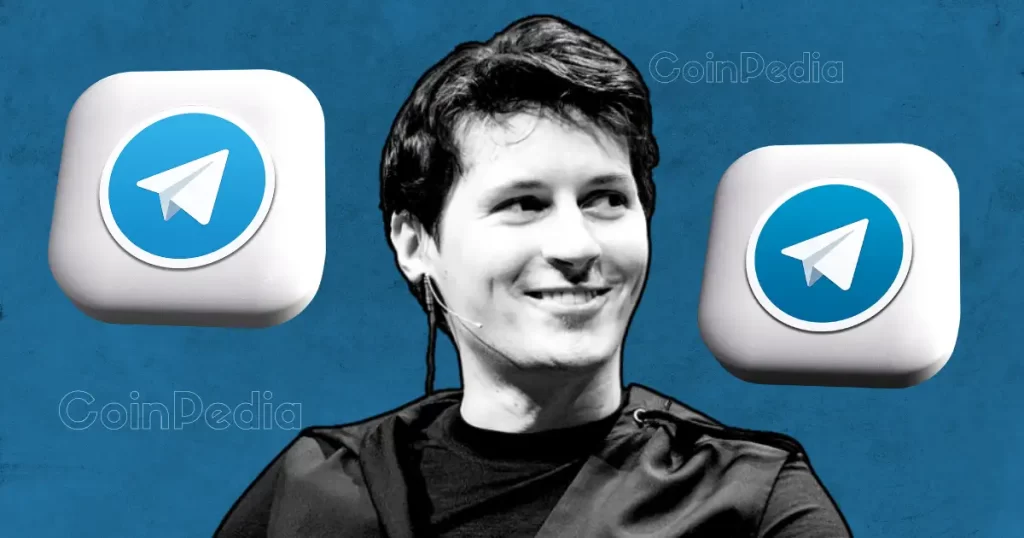
The Hammer Falls: Telegram Founder Pavel Durov Targeted by Russian FSB
In a development that has sent ripples across the global tech and cryptocurrency landscapes, Pavel Durov, the enigmatic founder and CEO of Telegram, was officially placed on an international wanted list by Russia's Federal Security Service (FSB) on July 29, 2026. The move follows accusations that Durov failed to comply with demands to remove channels and bots allegedly linked to Ukrainian intelligence and extremist groups from the widely popular messaging platform. This escalation marks a significant turning point in the long-standing tug-of-war between nation-states and independent digital platforms, with profound implications for user privacy, the future of decentralized technologies like The Open Network (TON), and the very concept of digital sovereignty.
Durov and Telegram: A History of Defiance
Pavel Durov has long been a symbol of digital defiance, famously exiting Russia in 2014 after refusing to hand over user data of his previous venture, VKontakte, to Russian authorities. Telegram, born out of this commitment to privacy and freedom of speech, has since grown into a global behemoth, boasting hundreds of millions of users who value its robust encryption and independence from state control. This very independence, however, has consistently put Telegram in the crosshairs of governments worldwide, particularly those seeking greater control over information flows. The FSB's latest action is not merely a legal maneuver; it's a direct assault on the principles Telegram purports to uphold and a warning shot to other platforms that resist state censorship.
FSB's Stated Justification and Geopolitical Undercurrents
The FSB's accusations center on Telegram's alleged failure to police content deemed dangerous by the Russian state. While the specific channels and bots in question are framed as being linked to Ukrainian intelligence and extremist groups, the context of ongoing geopolitical tensions and Russia's stringent digital authoritarianism cannot be ignored. Russia has a history of attempting to block Telegram, only to relent due to the platform's immense popularity and the technical difficulty of a complete shutdown. This international wanted listing is a significant escalation, projecting Russia's jurisdictional claims beyond its borders and attempting to exert pressure on Durov directly, regardless of his current residence or citizenship.
The Privacy Paradox: Telegram's Stance Under Fire
For Telegram users, this development underscores the inherent paradox of a privacy-focused platform operating in a world of increasing state surveillance. While Telegram has consistently championed end-to-end encryption and resistance to government data requests, the pressure on its founder could lead to difficult choices. Will Durov, or Telegram as an entity, face increased international pressure to comply with governmental demands to avoid further legal entanglement? The confidence of Telegram's user base, particularly those in politically sensitive regions, hinges on the platform's ability to maintain its independence and integrity amidst such intense scrutiny. Any perceived weakening of its privacy stance could severely erode user trust.
Implications for TON and the Crypto Ecosystem
As a Senior Crypto Analyst, my primary concern gravitates towards the implications for The Open Network (TON), the ambitious blockchain project originally conceived by Telegram. Although Telegram officially distanced itself from TON after a protracted legal battle with the U.S. SEC, Durov's personal association with the network remains strong. His past visionary leadership and the lingering perception of TON as a 'Telegram-backed' project means that his legal troubles are not isolated. This FSB action could introduce significant FUD (fear, uncertainty, and doubt) into the TON ecosystem, potentially impacting its market valuation, investor confidence, and adoption rates.
Investor Sentiment and Regulatory Scrutiny
The crypto market thrives on clarity and stability, and the targeting of a prominent figure like Durov injects considerable instability. Investors in TON, and indeed the broader Web3 space, will be watching closely for any signs that this legal pressure could translate into operational challenges for the network or increased regulatory scrutiny from other jurisdictions. While TON is a decentralized network, the perceived decentralization and genuine independence are often challenged when a project's nominal founder faces such severe state action. This event could trigger concerns about potential attempts by state actors to influence decentralized networks through pressure on associated individuals, setting a dangerous precedent.
Broader Ramifications for Decentralized Tech
Beyond Telegram and TON, this incident serves as a stark reminder of the challenges confronting decentralized technologies and their proponents globally. The promise of Web3 and true digital freedom clashes increasingly with the reality of national interests and governmental desires for control. As states seek to regulate or even criminalize certain digital activities and platforms, the ability of founders and developers to operate freely and uphold principles of privacy and censorship resistance comes under immense pressure. This ongoing conflict will likely shape the design, adoption, and regulatory frameworks for decentralized applications and blockchain networks for years to come.
Conclusion: Navigating a Fractured Digital Future
Pavel Durov's addition to the international wanted list by the Russian FSB is more than just a legal headline; it's a pivotal moment. It underscores the fragility of digital freedom in an era of escalating geopolitical tension and highlights the complex interplay between technology, privacy, and state power. For Telegram, the challenge is to navigate this unprecedented pressure without compromising its core values. For TON and the wider crypto ecosystem, it's a test of true decentralization and resilience against external influence. The coming months will reveal not only the immediate fate of Durov but also the direction of digital sovereignty and the evolving battle for control over our interconnected world.
Featured News Partner: Coinpedia News