A Pivotal Ruling for Prediction Markets and Digital Assets
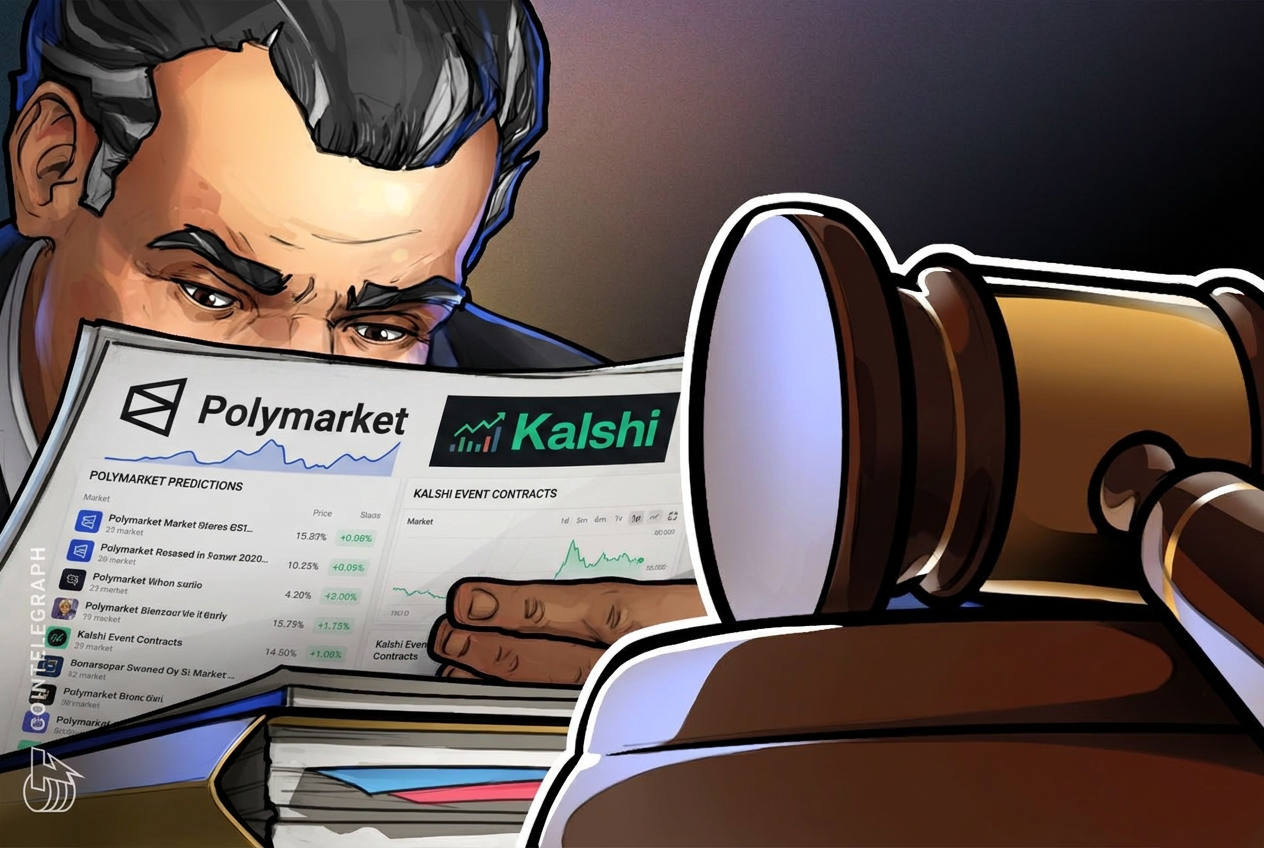
In a significant development that resonates across the digital finance landscape, particularly within the burgeoning sector of decentralized prediction markets, a U.S. judge has temporarily blocked Minnesota's ban on such platforms. This preliminary injunction marks a crucial, albeit temporary, victory for companies like Kalshi and Polymarket US, allowing them to continue operating in the state while their constitutional challenge to the restrictive law progresses through the courts. For crypto analysts and enthusiasts, this ruling is more than just a procedural win; it's a powerful affirmation of free speech principles battling against an increasingly assertive regulatory environment, particularly relevant for platforms leveraging blockchain technology.
The lawsuit, filed by event contract exchange Kalshi and crypto-native prediction market Polymarket US, directly challenges Minnesota’s interpretation and application of its anti-gambling statutes to their platforms. At its core, the dispute hinges on whether prediction markets constitute illegal gambling or are, in fact, legitimate avenues for information aggregation and expression, protected under the First Amendment. The judge's decision to grant a preliminary injunction suggests a strong initial leaning towards the latter, recognizing the potential irreparable harm to the plaintiffs' businesses and, more broadly, to the public's right to access and disseminate information.
The Essence of Prediction Markets: Information vs. Gambling
Prediction markets operate on a simple yet profound premise: participants buy and sell shares whose value is tied to the outcome of future events. These events can range from political elections and economic indicators to scientific breakthroughs and even the price of a cryptocurrency on a specific date. Proponents argue that these markets are powerful tools for aggregating dispersed information, often yielding more accurate forecasts than traditional polling methods or expert opinions. The financial incentives encourage participants to contribute their best knowledge, leading to a collective wisdom that can be remarkably prescient.
However, regulators, including those in Minnesota, have often viewed these platforms through the lens of gambling. The presence of financial stakes and uncertain outcomes triggers concerns about consumer protection, addiction, and market manipulation. This regulatory ambiguity has created a patchwork of laws across states and globally, stifling innovation and creating legal uncertainty for operators. For crypto prediction markets like Polymarket, which leverage decentralized protocols and often facilitate transactions in stablecoins or other cryptocurrencies, this regulatory fog is particularly thick, as they navigate not only gambling laws but also securities and commodities regulations.
The Minnesota Challenge and the Judge's Rationale
Minnesota’s law, broadly prohibiting gambling, was interpreted by state authorities to encompass prediction markets. Kalshi and Polymarket US countered this, arguing that their platforms offer a form of protected speech, where users are essentially expressing and trading on their beliefs about future events. They contended that banning such activities amounted to an unconstitutional prior restraint on speech, violating their First Amendment rights.
The judge, in issuing the preliminary injunction, likely considered several factors. A key element in granting such an injunction is the likelihood of the plaintiffs succeeding on the merits of their case. The court's decision suggests a preliminary finding that the plaintiffs have a strong argument that Minnesota's ban is a content-based restriction on speech, which is subject to strict scrutiny under the First Amendment. For a content-based restriction to stand, the government must demonstrate that it serves a compelling state interest and is narrowly tailored to achieve that interest. The judge's actions indicate skepticism that Minnesota's blanket ban meets this high bar, especially when considering the communicative and informational aspects of prediction markets.
Implications for the Crypto Ecosystem and Decentralized Finance
This ruling carries significant weight for the broader crypto ecosystem, especially for decentralized finance (DeFi) projects. Polymarket, a prominent decentralized prediction market, operates on blockchain technology, epitomizing the innovative spirit of DeFi. A favorable outcome in this lawsuit, even a temporary one, sends a clear signal that regulatory bodies may struggle to apply outdated statutes to novel internet-based and blockchain-powered services.
Firstly, it emboldens other crypto projects operating in regulatory gray areas to challenge state-level bans or adverse interpretations. The legal strategy employed by Kalshi and Polymarket US – focusing on First Amendment protections – could become a template for others seeking to carve out legal space for their innovative offerings. Secondly, it highlights the ongoing tension between technological innovation and traditional regulatory frameworks. As DeFi continues to evolve, creating new ways to facilitate finance, information exchange, and governance, regulators are faced with the monumental task of understanding these technologies and crafting appropriate oversight without stifling progress.
Moreover, the success of prediction markets is crucial for the development of robust, information-rich decentralized autonomous organizations (DAOs) and other community-governed protocols within Web3. These markets can serve as valuable tools for price discovery, risk assessment, and even decentralized governance, allowing communities to collectively forecast and make informed decisions. A legal precedent that protects their operation could unlock significant potential for more efficient and transparent decentralized governance models.
The Road Ahead: A Long Battle, But a Resounding Start
While a preliminary injunction is not a final ruling on the merits of the case, it provides immediate relief and a strong indication of the court's initial inclination. The lawsuit against Minnesota will continue, and the state may appeal this injunction. The ultimate resolution could take months or even years, potentially involving further legal battles and appeals up to higher courts. However, this initial victory serves as a beacon of hope for prediction market operators and advocates for free speech in the digital age.
The outcome of this case could influence how other states and even federal agencies approach the regulation of prediction markets and similar innovative platforms. It underscores the critical need for clearer, more nuanced regulatory frameworks that differentiate between genuine information markets and outright gambling, recognizing the distinct societal benefits the former can provide. As a Senior Crypto Analyst, I view this as a landmark moment – not just for Polymarket and Kalshi – but for the ongoing struggle to ensure that innovation, especially within the decentralized web, is not unduly stifled by anachronistic regulations. The fight for open, verifiable information exchange continues, and this ruling represents a vital step forward.