CFTC's Stern Warning: Prediction Markets Under Fire for 'Cutting Corners' in Event Contracts – A Wake-Up Call for Crypto
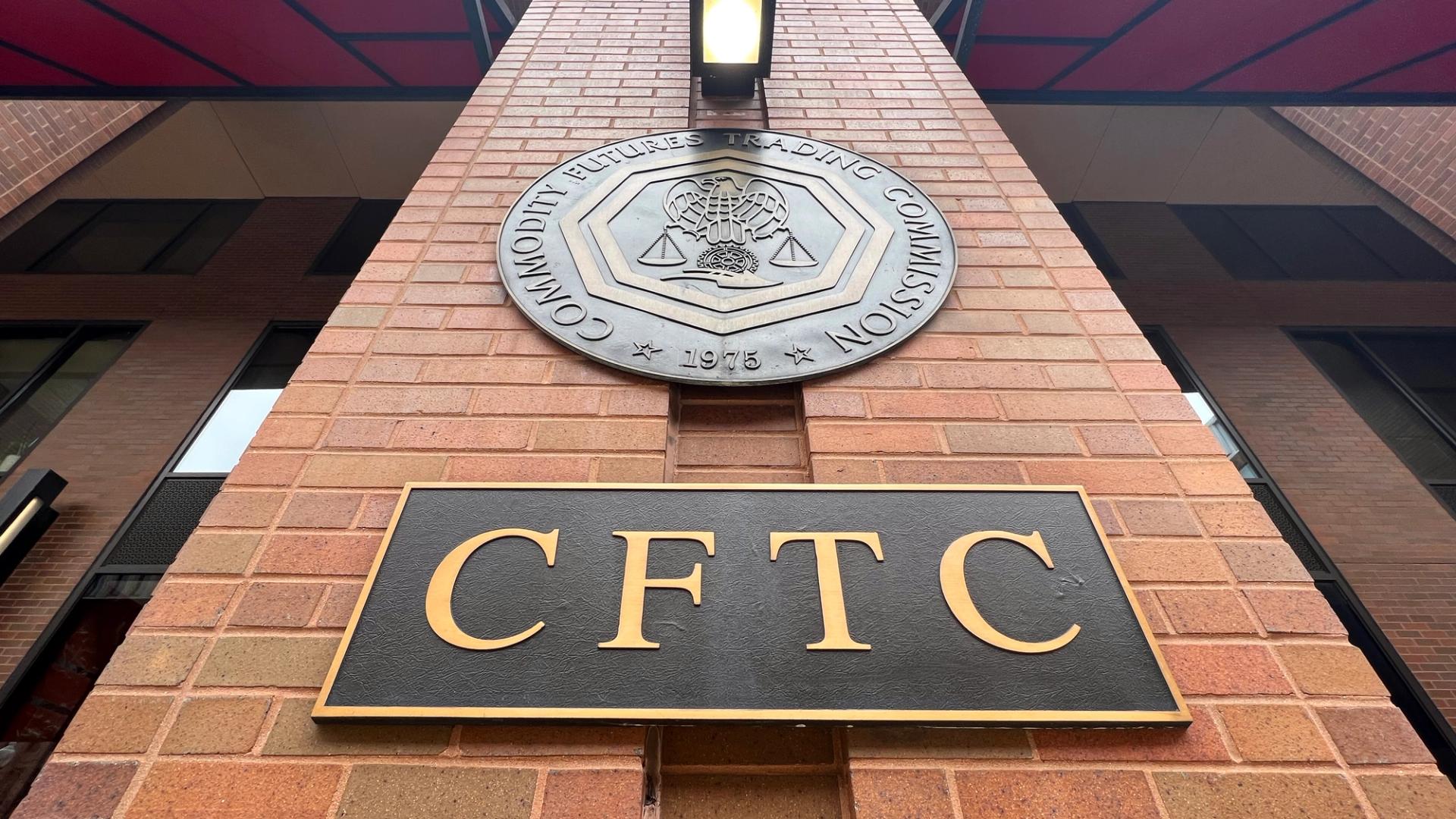
The Commodity Futures Trading Commission (CFTC) has once again thrown down the gauntlet, issuing a pointed advisory to firms operating in the prediction market space. The regulator's latest missive signals growing concern over what it terms 'cutting corners' and 'cookie-cutter self-certification' in the design and offering of event contracts. For seasoned observers of the crypto landscape, this isn't merely a bureaucratic blip; it's a direct and significant warning shot fired across the bow of an increasingly popular, albeit often unregulated, segment of decentralized finance (DeFi).
Prediction markets, at their core, are platforms where participants can bet on the outcome of future events, ranging from political elections to economic indicators and even sports results. While offering intriguing avenues for price discovery and hedging, these markets often straddle a fine line between legitimate derivatives trading and outright gambling. The CFTC, as the primary regulator of derivatives markets in the U.S., has a vested interest in ensuring that these contracts meet stringent legal and economic criteria, particularly the 'economic purpose' test stipulated by the Commodity Exchange Act (CEA).
The Nuance of 'Cutting Corners' and 'Cookie-Cutter Self-Certification'
The CFTC's advisory isn't just about sloppy paperwork; it delves into the fundamental integrity of how event contracts are being brought to market. 'Self-certification' is a mechanism allowing exchanges to list new contracts without explicit prior approval from the CFTC, provided they attest that the contract complies with the CEA and CFTC regulations. The implicit trust placed in these entities, however, comes with a heavy burden of responsibility. The CFTC's warning suggests that some firms are not genuinely evaluating whether their proposed event contracts truly serve a legitimate hedging or risk-transfer function. Instead, they appear to be adopting pre-existing contract designs or template language without conducting the necessary due diligence to ensure compliance. This 'cookie-cutter' approach risks circumventing the spirit of the law, potentially leading to the proliferation of contracts that function more as prohibited gaming instruments than as regulated derivatives.
Central to the CFTC's concern is the aforementioned 'economic purpose' test. Under CEA Section 2(h)(7), an event contract must perform a legitimate economic function, such as providing risk management or facilitating price discovery. Contracts that primarily serve as a vehicle for speculation or resemble banned binary options – where the payout is a fixed amount based solely on a 'yes' or 'no' outcome – are strictly prohibited. When firms 'cut corners' during self-certification, they risk designing and offering contracts that fail this crucial test, exposing participants to unregulated and potentially illegal gambling products, often without adequate consumer protections.
The Ripple Effect on Crypto Prediction Markets
While the CFTC's language often targets traditional exchanges and intermediaries, the implications for the burgeoning world of decentralized prediction markets (DPMs) within crypto cannot be overstated. Platforms like Augur, Gnosis, and Polymarket, which allow users to create and trade event contracts on a blockchain, operate in a complex jurisdictional grey area. The CFTC's previous actions, most notably its enforcement action against Polymarket in 2022, which resulted in a $1.4 million penalty for operating an unregistered derivatives exchange and offering illegal off-exchange event contracts, serve as a stark reminder of the regulator's reach and determination.
The core challenge for DPMs lies in reconciling their decentralized, permissionless nature with centralized regulatory demands. If the CFTC views a specific token or smart contract as an 'event contract,' then any entity or individual facilitating its trade could fall under their purview. This includes not just the initial developers but potentially DAO participants, liquidity providers, or even frontend operators. The 'cookie-cutter' warning is particularly relevant here, as many DPMs might inadvertently replicate structures that the CFTC deems problematic. The regulator's focus on the economic substance of the contract, rather than its technological wrapper, means that simply being 'on-chain' does not grant immunity from regulatory scrutiny.
Furthermore, the CFTC's emphasis on firms 'straying' into non-compliance suggests that even well-intentioned projects might be misinterpreting or underestimating their regulatory obligations. For U.S.-facing DPMs, or those accessible by U.S. persons, the pressure to demonstrate genuine economic purpose for their contracts will intensify. This might necessitate fundamental architectural changes, more robust Know Your Customer (KYC) and Anti-Money Laundering (AML) processes, or explicit geo-blocking measures, all of which can conflict with the ethos of decentralization and open access.
Navigating the Regulatory Tightrope: Recommendations and Future Outlook
For those operating or participating in crypto prediction markets, the CFTC's latest advisory serves as a critical call to action. Ignoring these warnings would be a perilous strategy, likely leading to increased enforcement actions, hefty fines, and reputational damage. The path forward demands a multi-pronged approach:
Firstly, **proactive legal counsel** is paramount. Project teams, DAO members, and significant contributors must engage with legal experts well-versed in both derivatives law and blockchain technology. This foresight is crucial to assess the regulatory compliance of existing and proposed event contracts, ensuring they genuinely satisfy the 'economic purpose' test and avoid the pitfalls of 'cookie-cutter' designs.
Secondly, a renewed focus on **contract design and utility** is essential. If a prediction market aims to serve U.S. persons, its contracts must be demonstrably structured for legitimate hedging, risk transfer, or price discovery, moving away from structures that merely resemble gambling. This might involve exploring more complex, multi-faceted contracts or focusing on niche markets where a clear economic purpose can be articulated.
Lastly, **engagement with regulators**, however challenging, could prove beneficial. While direct dialogue for truly decentralized protocols remains difficult, industry groups and legal representatives can work towards fostering a clearer understanding of DPMs and advocating for regulatory frameworks that balance innovation with consumer protection.
The CFTC's advisory underscores a broader trend: regulators are catching up to the pace of innovation in DeFi. Prediction markets, by their nature, are high on the CFTC's radar due to their proximity to regulated derivatives and the potential for consumer harm. This latest warning is not a deterrent to innovation itself, but a firm demand for responsible and compliant innovation. The future of prediction markets in the U.S., particularly those within the crypto ecosystem, will hinge on their ability to adapt to these stringent regulatory expectations, demonstrating a genuine commitment to legal adherence rather than attempting to cut corners.